
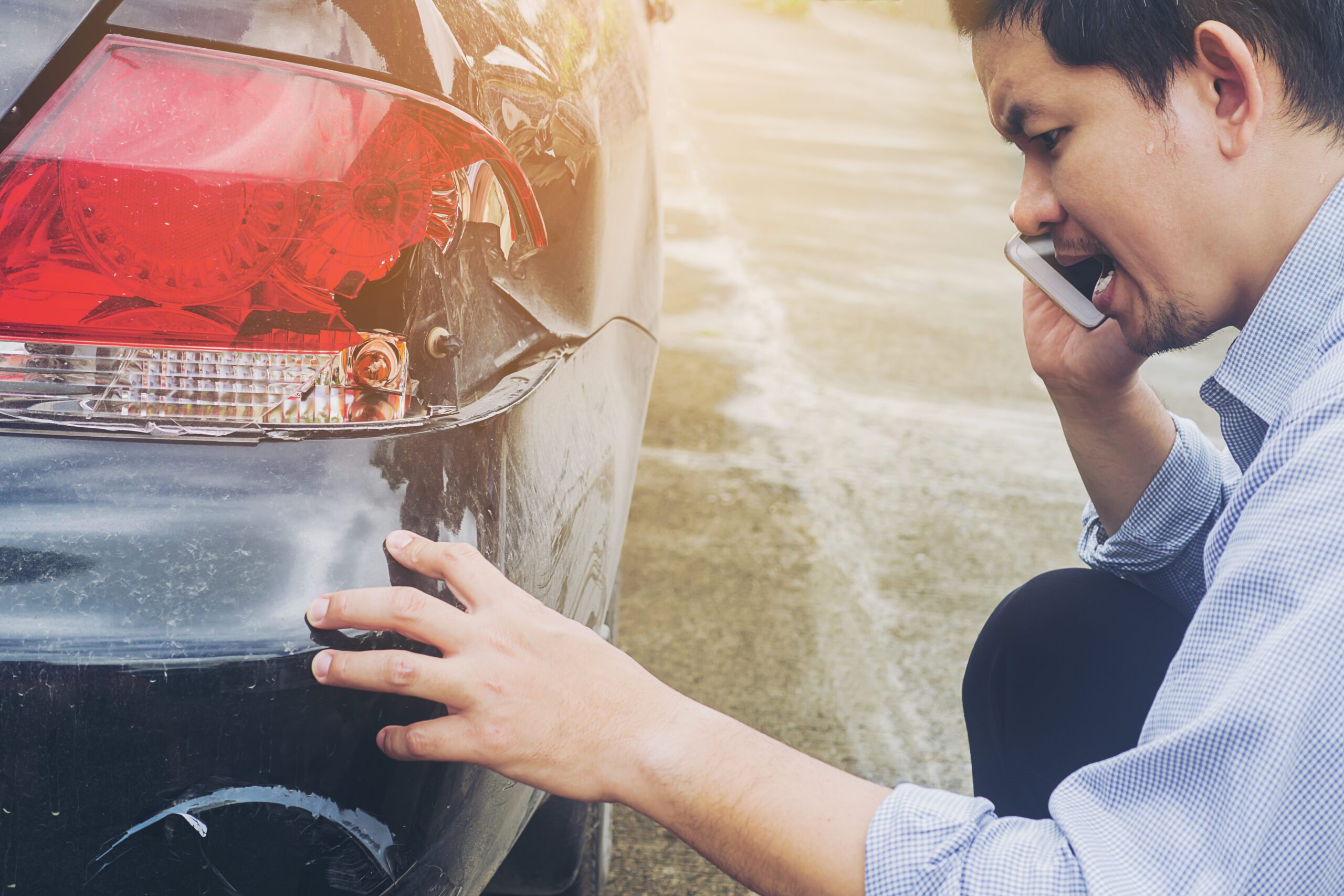
The moments following a collision are entirely disorienting, but watching the responsible driver speed away down Opelika Road or Magnolia Avenue adds a profound layer of frustration and anxiety to the trauma. When a driver flees the scene, injured victims are often left standing near the wreckage, facing immediate physical pain and mounting questions about how to pay for their extensive medical recovery. A hit-and-run collision completely upends the standard insurance claims process, forcing victims to navigate complicated policy language while simultaneously dealing with the physical aftermath of the crash.
Under Alabama law, a hit-and-run occurs when a driver involved in a collision leaves the scene without providing their contact information or rendering reasonable assistance to injured parties. Fleeing an accident violates Alabama Code Section 32-10-1 and severely complicates the victim’s ability to recover compensation.
Fleeing the scene of a crash is not just a breach of basic driving etiquette; it is a serious criminal offense that carries severe legal consequences. When a motorist strikes an occupied vehicle, a bicyclist, or a pedestrian, the law places an immediate and non-negotiable burden on them to stop their vehicle safely. The legal requirements are highly specific: the involved driver must share their full name, home address, and vehicle registration number, and they must provide reasonable assistance to anyone who has suffered bodily injury. Failing to fulfill these basic duties immediately elevates the severity of the incident.
Whether the impact was a minor fender-bender or a catastrophic high-speed collision, leaving the scene drastically alters the trajectory of the personal injury claim. Insurance companies view hit-and-run scenarios with high suspicion, which means the victim must provide robust evidence that the collision actually occurred exactly as reported.
Common scenarios that constitute fleeing the scene of an accident include:
If the at-fault driver is never identified, your Uninsured Motorist coverage acts as the primary source of financial recovery. This policy covers your medical expenses, lost wages, and pain and suffering up to your policy limits, effectively standing in for the fleeing driver’s insurance.
Many drivers mistakenly assume that if the police cannot locate the person who hit them, they have absolutely no options for financial recovery. This is a highly damaging misconception. Alabama law requires insurance companies to offer Uninsured Motorist (UM) coverage whenever you purchase an auto liability policy. Unless you explicitly signed a written waiver rejecting this specific protection, UM coverage is built into your current insurance plan.
When a driver flees and remains unidentified, your own auto insurance carrier legally steps into the shoes of the at-fault party. You have the right to file a formal claim against your own UM policy for the physical and economic damages you suffered. Furthermore, Alabama is a state that permits “stacking” of UM limits. If you have multiple vehicles insured under the same policy, you can multiply your baseline coverage limit by up to three vehicles, significantly increasing the total funds available for your medical recovery.
However, dealing with your own insurance company requires a strategic approach. They operate as a for-profit business aiming to minimize financial payouts, meaning they frequently challenge the severity of your injuries or the factual details of the crash. For a UM claim to be successful, particularly in cases involving a “phantom vehicle” that forces you off the road without making physical contact, you must secure objective evidence. State regulations governing uninsured motorist coverage require independent corroboration to confirm the hit-and-run incident actually occurred and was not simply a single-car accident caused by driver error.
Essential elements required to build a successful Uninsured Motorist claim include:
Move to a safe area and immediately dial 911 to report the incident to the Auburn Police Department. Document the scene with photos, write down any details you remember about the fleeing vehicle, seek a medical evaluation at East Alabama Medical Center, and notify your insurance provider.
Your actions in the immediate, chaotic aftermath of a collision heavily influence the ultimate strength of your future legal claim. The massive adrenaline rush triggered by a sudden impact often masks the pain of severe injuries, and the shock can cause important details about the fleeing vehicle to fade from your memory rapidly.
One absolute rule applies to every situation: never attempt to chase a fleeing driver. Pursuing a vehicle puts you, your passengers, and other innocent motorists in extreme danger, frequently leading to secondary collisions or dangerous roadside confrontations. Instead, focus entirely on preserving evidence and protecting your physical health.
Steps to protect your well-being and legal rights following a hit-and-skip accident:
Law enforcement and legal advocates utilize traffic camera footage, witness statements, dashcam recordings, and debris left at the scene to identify fleeing drivers. Checking local auto repair shops for vehicles with matching damage is also a highly effective step in finding the responsible party.
Catching a driver who intentionally leaves the scene requires immediate, methodical, and aggressive action. The Lee County Sheriff’s Office and local municipal police departments begin their critical work at the crash site, generating the official accident report. However, our legal team conducts independent, parallel investigations to track down the responsible party and preserve fleeting evidence before it disappears.
The geography of our local community means that fleeing drivers frequently pass by numerous commercial properties, municipal buildings, and residential security systems as they attempt to escape. Accident reconstruction professionals analyze the remaining physical evidence to determine the exact angle of impact and the speed of the vehicles involved, building an undeniable factual narrative.
Effective investigative methods for identifying a phantom vehicle include:
Alabama applies the strict doctrine of pure contributory negligence, meaning if you are found even one percent at fault for the crash, you are barred from recovering financial damages. This makes preserving independent evidence absolutely critical to prove the fleeing driver was entirely responsible for the collision.
Alabama is one of the very few states in the country that continues to enforce the unforgiving legal standard of pure contributory negligence. Insurance adjusters are highly trained to use this specific law to their advantage during every negotiation. Because the margins are absolute, the physical evidence must definitively show that you did absolutely nothing to cause the wreck.
When a driver flees, they leave behind an informational void. If your own insurance company can successfully argue that you were slightly speeding, failed to use a turn signal, or were distracted at the exact moment of impact, they will attempt to deny your entire Uninsured Motorist claim. Our knowledgeable attorneys understand exactly how to build a factual record that shuts down these defensive tactics. We anticipate the insurance company’s arguments and preemptively counter them with hard evidence, ensuring the blame rests solely on the driver who broke the law and ran.
Common tactics used by insurance adjusters to unfairly shift blame onto victims:
Victims of hit-and-run accidents can pursue economic damages for hospital bills and lost income, along with non-economic damages for physical pain and emotional distress. If the fleeing driver is ultimately identified, Alabama law also permits juries to award punitive damages to punish their reckless behavior.
A severe collision instantly alters your life physically, emotionally, and financially. Whether we are pursuing a comprehensive claim against your UM policy limits or filing a formal civil lawsuit against the identified at-fault driver, the ultimate goal is to make you financially whole. Treatment for severe injuries like traumatic brain injuries, spinal cord compression, or complex orthopedic fractures requires extensive, ongoing resources.
Economic damages cover the tangible, out-of-pocket costs associated with the accident. Non-economic damages compensate you for the intangible, deeply personal losses that affect your daily quality of life. If our investigation successfully uncovers the identity of the fleeing driver, we can pursue a direct liability claim against their auto policy. Because fleeing the scene demonstrates a conscious disregard for human life and the law, juries have the authority to award punitive damages, which serve to financially punish the wrongdoer.
Categories of recoverable compensation in hit-and-run injury claims include:
Under Alabama law, you generally have exactly two years from the date of the hit-and-run accident to file a personal injury lawsuit. Failing to file a formal claim within this strict statutory deadline will likely result in the court permanently dismissing your right to recover compensation.
Time is a highly critical factor in any legal matter, but it is especially pressing when an at-fault driver flees the scene. The statutory deadline strictly dictates how long you have to initiate a formal lawsuit. If you miss this non-negotiable window, the Lee County Courthouse will almost certainly bar your claim entirely, regardless of how devastating your injuries are or how clear the liability might be.
The statute of limitations for civil actions creates a strict two-year timeframe for most personal injury claims. While two years may sound like a comfortable margin, waiting to secure legal representation is a severe mistake. Surveillance footage from local businesses is often automatically overwritten within a matter of days.
Witnesses relocate, memories fade, and physical evidence on the roadway washes away with the weather. Engaging our legal team early allows us to immediately preserve vital evidence, track down the responsible party, and ensure all insurance claims and court filings meet the required deadlines.
Reasons why immediate legal action is necessary following a hit-and-run:
Having local legal representation ensures your claim is thoroughly investigated and properly filed with your Uninsured Motorist carrier. An attorney familiar with Lee County courts can protect you from insurance adjusters attempting to minimize your payout or unfairly shift blame onto you under strict liability laws. The aftermath of a severe crash requires deeply focused attention and significant legal resources. When you are forced to deal with mounting medical bills from local hospitals and the aggressive, dismissive tactics of out-of-state insurance adjusters, having a strong local advocate makes a profound difference in the outcome of your case.
At Alsobrook Law Group, our experienced attorneys deeply understand the nuances of local roadways, the Lee County legal system, and the highly complex laws governing auto insurance in Alabama. If you or a loved one has been injured by a fleeing driver, contact our Auburn office today to schedule a free, fully confidential consultation. We represent your legal interests fiercely, allowing you to focus completely on your physical recovery.

Zachary D. Alsobrook is a partner in the Opelika law firm of Alsobrook Law Group, where he concentrates his practice in the areas of criminal defense and DUI; divorce, child custody…
Filing a claim against your own Uninsured Motorist policy for an accident you did not cause should generally not result in a premium increase. Alabama law strongly protects consumers from being unfairly penalized by their insurance carrier when they utilize the UM coverage they have consistently paid for, provided the other driver was entirely at fault.
If law enforcement successfully tracks down the hit-and-run driver and discovers they are uninsured, your Uninsured Motorist coverage remains the primary source for your financial recovery. You would proceed with a UM claim against your own policy exactly as you would if the driver had remained completely unidentified.
Yes, you can pursue a claim if a phantom vehicle caused your crash without making physical contact, but the evidentiary burden is significantly higher. You must provide clear, objective corroboration—such as independent eyewitness testimony or dashcam footage—proving that the other driver’s reckless actions directly forced your vehicle off the roadway.
Yes, securing an official police report is absolutely necessary regardless of how minor you believe your injuries or vehicle damage to be. Insurance companies almost universally require a formal law enforcement report to process an Uninsured Motorist claim and confirm the incident was a legitimate hit-and-run.
While waiting for a settlement, your medical bills can be processed through your personal health insurance provider or Medicare/Medicaid. Once your attorney successfully secures your Uninsured Motorist settlement or a judgment against the at-fault driver, those health insurance providers are typically reimbursed from the final settlement funds through a legal process known as subrogation.
The Alsobrook Law Firm is located in Opelika, AL and serves clients in and around Opelika, Loachapoka, Auburn, Salem, Waverly, Cusseta, Smiths, Barbour County, Bullock County, Calhoun County, Chambers County, Clay County, Cleburne County, Coosa County, Dale County, Elmore County, Henry County, Lee County, Macon County, Montgomery County, Pike County, Randolph County, Russell County, Talladega County and Tallapoosa County.
The information on this website is for general information purposes only. Nothing on this site should be taken as legal advice for any individual case or situation. This information is not intended to create, and receipt or viewing does not constitute, an attorney-client relationship.
No promises are made that services performed are greater than that of other lawyers.
No content on this site may be reused in any fashion without written permission from www.alsolaw.com
© 2024 Alsobrook Law Group. All Rights Reserved.