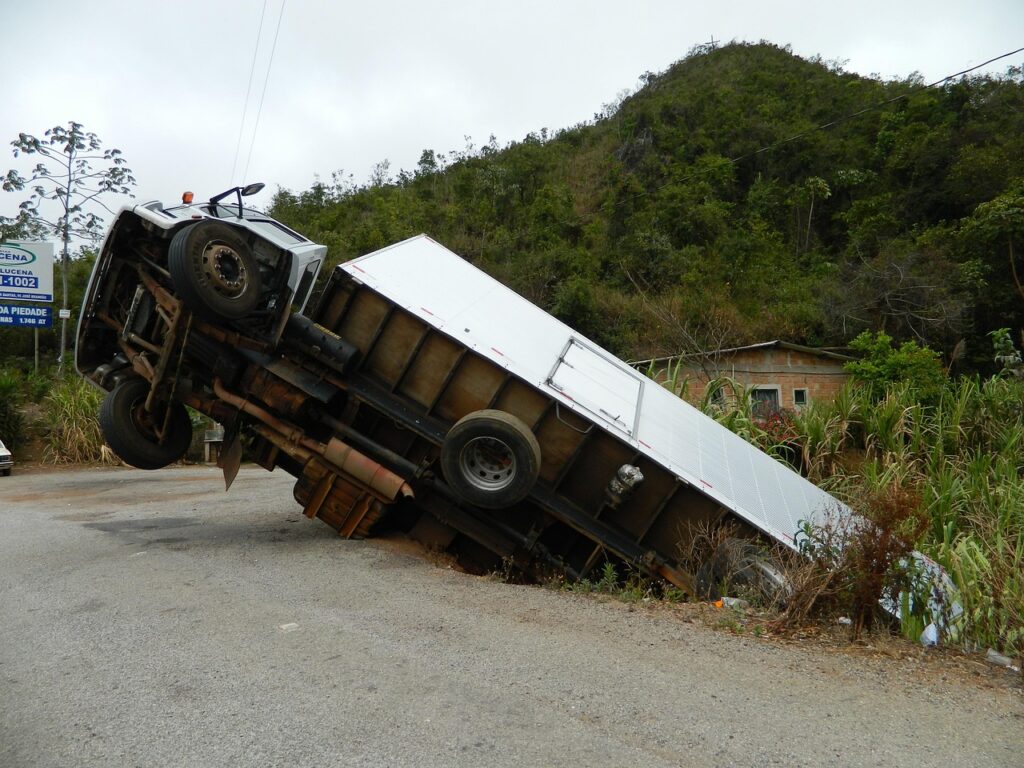
The rise of food trucks has brought a vibrant and diverse culinary scene to cities like Auburn. From events on Auburn University’s campus to gatherings near Toomer’s Corner, these mobile kitchens offer convenient and unique dining experiences. However, with this popularity comes a distinct set of risks. A food truck is not just a passenger car; it is a heavy, commercial vehicle, often with a kitchen full of hot equipment, flammable materials, and large blind spots.
When an accident involves a food truck, the consequences can be devastating. The incident is rarely simple, often involving complex questions of driver negligence, commercial liability, and unsafe equipment. For those injured in Auburn, the path forward can be filled with physical pain, significant medical bills, and confusing confrontations with commercial insurance carriers.
Accidents involving mobile vendors are not standard car accident cases. These vehicles present a combination of risks found in commercial trucking, restaurant premises liability, and standard auto collisions.
Several factors make these incidents uniquely hazardous:
The unique operation of food trucks leads to several types of incidents, both on the road and while stationary.
Determining liability is a primary challenge in a food truck accident claim. Because the vehicle is a place of business, multiple parties could be responsible for an injury.
Depending on the facts of the case, liable parties may include:
Most food truck accidents are preventable and stem from some form of negligence. A thorough investigation often reveals one or more of the following factors:
The combination of vehicle weight and onboard hazards can lead to life-altering injuries.
Proving fault is essential for any personal injury claim in Alabama. This involves demonstrating that another party was negligent.
To succeed, you must establish four key elements:
A significant hurdle in any Alabama personal injury case is the state’s pure contributory negligence doctrine. This is one of the harshest standards in the nation.
Under this rule, if you are found to be even 1% at fault for the accident, you are completely barred from recovering any compensation from the other driver.
Insurance companies for the food truck’s commercial policy are very familiar with this rule. They will aggressively search for any reason to shift even a small amount of blame onto you. They may claim you were speeding, not paying attention as a pedestrian, or stopped too suddenly. This is why having a knowledgeable attorney to fight back against these tactics is so important.
Given the complexity of these cases and Alabama’s strict negligence law, building a strong case requires extensive evidence. An attorney can help gather and analyze key information, which may include:
If you were injured due to the negligence of a food truck operator or owner, you have the right to seek compensation for the full scope of your losses.
A claim can help provide financial stability for you and your family. Compensation is generally divided into two main categories:
These are the tangible, calculable financial losses from the accident.
These damages compensate for the intangible, personal losses that deeply affect your quality of life.
In rare cases where the defendant’s conduct was exceptionally reckless, Alabama law may permit punitive damages. These are not intended to compensate you but to punish the at-fault party and deter similar behavior. This requires clear and convincing evidence of wantonness or malice.
The aftermath of a food truck accident can be overwhelming. You should not have to manage a difficult physical recovery while simultaneously battling a commercial insurance company that is focused on denying or devaluing your claim. The dedicated team at Alsobrook Law Group is prepared to help you navigate this difficult time. We will handle every aspect of your claim, from a thorough investigation to aggressive negotiation, allowing you to focus on your health and your family.
We invite you to contact us at 334-737-3718 for a free, no-obligation consultation to discuss your case. Let us help you pursue the justice and compensation you deserve.
In most cases, the driver of any vehicle has a high duty of care to watch for pedestrians, especially in crowded areas. However, Alabama’s contributory negligence rule applies. If the insurance company can argue you stepped out from behind an obstruction or were not paying attention, it could jeopardize your claim.
Yes. If you were burned by hot oil or water due to an employee’s carelessness or faulty equipment, you may have a valid negligence or premises liability claim against the food truck’s owner and their commercial insurance.
A driver’s violation of a traffic law, such as parking in a “no parking” zone or blocking a lane of traffic, can be used as strong evidence of negligence.
Possibly. If a government entity or a private event organizer created a dangerous situation (e.g., poor traffic control, forcing trucks to park in unsafe locations) that directly contributed to your injury, they might be held partially liable. Claims against government entities have special rules and short deadlines.
In Alabama, the statute of limitations for most personal injury claims is two years from the date of the accident. If you fail to file a lawsuit within this time frame, you will likely lose your right to pursue compensation forever. It is important to speak with an attorney as soon as possible.

Zachary D. Alsobrook is a partner in the Opelika law firm of Alsobrook Law Group, where he concentrates his practice in the areas of criminal defense and DUI; divorce, child custody…
The Alsobrook Law Firm is located in Opelika, AL and serves clients in and around Opelika, Loachapoka, Auburn, Salem, Waverly, Cusseta, Smiths, Barbour County, Bullock County, Calhoun County, Chambers County, Clay County, Cleburne County, Coosa County, Dale County, Elmore County, Henry County, Lee County, Macon County, Montgomery County, Pike County, Randolph County, Russell County, Talladega County and Tallapoosa County.
The information on this website is for general information purposes only. Nothing on this site should be taken as legal advice for any individual case or situation. This information is not intended to create, and receipt or viewing does not constitute, an attorney-client relationship.
No promises are made that services performed are greater than that of other lawyers.
No content on this site may be reused in any fashion without written permission from www.alsolaw.com
© 2024 Alsobrook Law Group. All Rights Reserved.